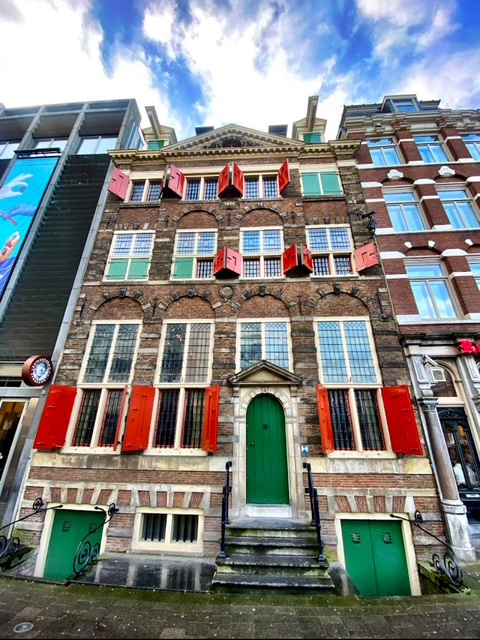
Tucked along the bustling Jodenbreestraat in Amsterdam’s historic Jewish Quarter stands a narrow, three-story house that once belonged to the Netherlands’ most celebrated artist. The Rembrandt House Museum offers visitors something rare: the chance to walk through the actual rooms where an artistic genius lived, worked, and ultimately struggled during the height of the Dutch Golden Age.


Rembrandt van Rijn purchased the house in 1639 at the peak of his success, when commissions were plentiful and his reputation as Amsterdam’s premier portrait painter was secure. The timing seemed perfect—he had just married Saskia van Uylenburgh, daughter of a wealthy family, and needed space befitting his growing status. The house cost 13,000 guilders, an enormous sum that would eventually contribute to his financial ruin.
Walking through the museum today, meticulously restored to reflect its 17th-century appearance, you can sense both the ambition and the tragedy that unfolded within these walls.


The ground floor housed Rembrandt’s art dealership, where he bought and sold works by other masters. His famous kunstkamer, or art cabinet, was filled with curiosities from around the world: seashells, Roman busts, exotic weapons, and natural specimens that served as props and inspiration for his paintings.


The heart of the house is Rembrandt’s studio on the top floor, where northern light floods through large windows—the same light that illuminated his canvases nearly four centuries ago.


It’s here that he created some of his most famous works, including “The Night Watch.” The museum has recreated the studio atmosphere with period-appropriate easels, pigments, and tools, and daily demonstrations show visitors how Rembrandt would have prepared his paints and etching plates using 17th-century techniques.


Perhaps the most poignant aspect of visiting the Rembrandt House is understanding how the artist’s fortunes changed. The house he bought in prosperity became a symbol of his decline.
Unable to keep up with mortgage payments and burdened by lavish spending on his collection, Rembrandt was forced to declare bankruptcy in 1656. An inventory taken during those proceedings provides the basis for much of the current restoration, as officials meticulously documented every item in the house before it was sold off.

The museum’s collection includes a nearly complete selection of Rembrandt’s etchings—about 260 of the roughly 290 he created—displayed in rotating exhibitions. Watching the etching demonstrations helps visitors appreciate the painstaking technical skill behind these works, which Rembrandt elevated from a reproductive medium to a fine art form.


For anyone interested in art history or simply curious about daily life in Amsterdam’s Golden Age, the Rembrandt House offers an intimate encounter with the past. Unlike viewing paintings in a gallery, walking through these rooms connects you to the reality of an artist’s life—the practical concerns of light and space, the financial pressures, the domestic rhythms. You leave with a deeper appreciation not just for Rembrandt’s genius, but for his humanity.


The museum is located at Jodenbreestraat 4, just a short walk from Amsterdam’s city center, and is worth several hours of your time if you’re visiting the city. As with any other popular attractions in Amsterdam, it is advisable to purchase tickets in advance of your visit.