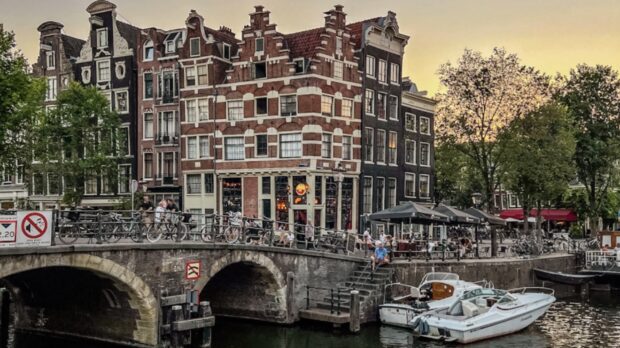
We spent a week in Amsterdam in late October/early November during which time we saw most of what we set out to see and then some. A week was enough time to cover the basics, and some of the not-so-basic basics. We could have spent more time. The days flew by. Yet, for as much as we saw and did do, there was so much more that we could have done. Given more time, or a return trip back, here are some of the additional sights we would pursue:
- The Jewish Quarter
- The Royal Palace
- Dam Square
- Albert Cuyp Market
- The Red Light District
- Nemo Science Museum
- FOAM Photography Museum
- EYE Filmmuseum
- Tour of a Diamond Factory
- Day trips outside of Amsterdam
Depending on what Season you are visiting, may also depend on what else you may want to put on your itinerary. Amsterdam is a city for all seasons with a calendar of events in each season.
Following are some recommendations for each season and every season.
Amsterdam Through the Seasons
Essential Sights & Hidden Gems for Every Visit
Amsterdam transforms with the seasons, and timing your visit can dramatically change what you experience. Spring brings tulip mania and outdoor cafe culture. Summer means endless daylight and festivals on every corner. Autumn wraps the canals in golden light and art season begins. Winter turns the city into a cozy refuge of brown cafes and twinkling lights.
This guide organizes Amsterdam’s must-see sights by season, mixing the classics everyone should visit with lesser-known treasures perfect for return trips or travelers seeking something beyond the guidebook standards. Whether it’s your first visit or your fifth, there’s always another layer of Amsterdam waiting to be discovered.
Spring in Amsterdam (March – May)
The Season: Amsterdam’s most famous season, when tulips bloom and the city shakes off winter’s chill. Outdoor terraces reopen, King’s Day brings citywide orange mayhem, and everyone emerges blinking into the lengthening daylight.

Must-See Classics
Keukenhof Gardens (Mid-March to Mid-May)

Yes, it’s touristy. Yes, it’s crowded. And yes, it’s absolutely spectacular. Seven million tulips, daffodils, and hyacinths bloom across 79 acres of manicured gardens. The sheer scale and color are overwhelming in the best possible way. Go early in the morning on a weekday, bring your camera, and surrender to the floral excess. It only opens for eight weeks a year, so if you’re in Amsterdam during tulip season, this is non-negotiable.
Canal Ring & Houseboat Museums

Spring is when Amsterdam’s canals look their absolute best. Tree branches heavy with new leaves arch over the water, tulips bloom in window boxes, and the light has that fresh, clear quality. Walk the entire Canal Ring—Herengracht, Keizersgracht, Prinsengracht—taking your time. Stop at the Houseboat Museum on Prinsengracht to see what life on the water actually looks like. It’s quirky, genuinely interesting, and gives context to all those picture-perfect boats you’re photographing.
King’s Day (April 27)

If your dates align, King’s Day is Amsterdam at its most chaotic and joyful. The entire city dresses in orange, canal boats blast music, and a massive street market takes over every neighborhood. It’s part flea market, part music festival, part citywide party. Either embrace the madness or get out of town—there’s no in-between.
Hidden Gems & Return Visit Spots
Bloemenmarkt at Dawn

Everyone visits the floating flower market, but most come midday when it’s packed with tour groups. Visit at 7-8 AM when vendors are setting up, the light is gorgeous, and you can actually talk to the florists about their bulbs. Buy tulip bulbs to take home (they’re packaged for customs), and you’ll skip the Keukenhof crowds while still getting your tulip fix.
Hortus Botanicus

Amsterdam’s 400-year-old botanical garden is a peaceful alternative to Keukenhof’s crowds. The greenhouses are spectacular—particularly the three-climate glasshouse with its desert, tropical, and subtropical sections. In spring, the outdoor gardens explode with early blooms, and there’s an excellent cafe overlooking the medicinal herb garden. It’s scholarly, beautiful, and blissfully quiet.
Westerpark & Westergasfabriek

This former gasworks turned cultural complex is where Amsterdammers go when they want green space without tourists. The park has a lovely Sunday market (every first Sunday), several excellent restaurants in the converted industrial buildings, and in spring, the grounds are covered in daffodils and crocuses. It’s also home to independent galleries and creative studios worth exploring.
Brouwerij ‘t IJ

This brewery underneath a windmill comes into its own in spring when you can finally drink outside again. Their outdoor seating area fills with locals enjoying organic craft beers in the lengthening evenings. Try their IPA and order a plank of Dutch cheese to share. It’s an Amsterdam institution that tourists somehow miss.
Summer in Amsterdam (June – August)
The Season: Peak season brings long days (sunset after 10 PM in June), festival season, and Amsterdam at its most vibrant. It’s also crowded and expensive, but the energy is infectious and the city makes the most of its brief summer.

Must-See Classics
Anne Frank House
The most visited museum in Amsterdam and for good reason. The preservation of the Secret Annex is deeply moving, and the museum does an exceptional job contextualizing Anne’s story within the broader Holocaust. Book tickets weeks in advance—they sell out. Evening slots (after 6 PM) are less crowded. This is heavy but essential Amsterdam.
Vondelpark

Amsterdam’s green lung is where the city comes to relax. In summer, Vondelpark hosts free concerts at the open-air theater, people picnic on the lawns, and the ponds fill with ducks and herons. Rent bikes and cycle through, or claim a spot on the grass with wine and cheese from a nearby market. The park’s pavilion cafe, Blauwe Theehuis, is worth a stop for drinks with a view.
Canal Cruise

Summer evening cruises are magical when the light turns golden and the city glows. Skip the big tour boats and book a small group or private cruise. Better yet, rent a small electric boat yourselves (no license needed) and captain your own tour. Bring wine, cheese, and take your time exploring the quieter canals.
Rijksmuseum

The Dutch Golden Age in all its glory. Rembrandt’s Night Watch alone justifies the visit, but spend time with Vermeer’s intimate interiors, the Delftware collection, and the incredible dollhouses. The building itself is a masterpiece of neo-Gothic architecture. Go first thing in the morning or book an evening slot. The gardens behind the museum are free and lovely for a post-visit stroll.
Hidden Gems & Return Visit Spots
Ouderkerk aan de Amstel

Cycle or take a short train ride to this village just south of Amsterdam. The route along the Amstel River is stunning, passing old windmills and country estates. The village itself is picture-perfect Dutch countryside—thatched roofs, church towers, riverside cafes. Have lunch at one of the waterside restaurants (De Oude Smidse is excellent), then cycle back through the polders. It feels like another world, yet it’s only 30 minutes from the city center.
Pllek

This beach club on an industrial plot in Amsterdam Noord is where young Amsterdammers spend summer evenings. Take the free ferry from Central Station, walk along the waterfront, and find this collection of shipping containers converted into a restaurant, bar, and cultural space. There’s a beach, fire pits for evening gatherings, and sunset views across the IJ toward the city skyline. It’s gritty, creative, and totally unpretentious.
Open-Air Concerts & Film
Summer brings free music and film throughout Amsterdam. The Concertgebouw hosts free lunchtime concerts, Vondelpark has evening performances, and various parks screen classic films at sunset. Check local listings—these events capture Amsterdam’s summer spirit without the museum queues or price tags.
Amsterdam Roest

Another Noord gem: a former shipyard transformed into a creative playground with a beach, urban garden, bar, and weekend BBQs. It’s rough around the edges in the best way, filled with vintage caravans, repurposed materials, and locals playing volleyball or lounging with beers. The vibe is more Berlin than traditional Amsterdam.
Autumn in Amsterdam (September – November)
The Season: The sweet spot for many travelers. Crowds thin, cultural season begins in earnest, and Amsterdam’s trees turn the canals into a tunnel of gold and amber. The light becomes moody and atmospheric—perfect for photography.

Must-See Classics
Van Gogh Museum

The world’s largest collection of Van Gogh’s work, tracking his evolution from dark Dutch realism to the explosive color of his final years. The Sunflowers, The Bedroom, and self-portraits you’ve seen in every art book are here, along with letters to his brother Theo that provide intimate context. Autumn feels right for Van Gogh—something about the changing light matches his palette. Book timed tickets in advance.
Jordaan’s Brown Cafes

As evenings get chilly, Amsterdam’s traditional brown cafes come into their own. These historic pubs—named for their tobacco-stained walls—are the heart of Dutch gezelligheid. Try Café ‘t Smalle (1786) on Egelantiersgracht for canal views, Café Hoppe for history (opened 1670), or Café de Reiger in the Jordaan for the local experience. Order a jenever (Dutch gin) and settle in for the evening.
Amsterdam Light Festival (Late November – January)
If you’re visiting in late autumn, this festival transforms the canals with light installations from international artists. Take a boat tour after dark to see the sculptures illuminated across the water. It’s magical, turning Amsterdam into an outdoor gallery just as winter begins.
Hidden Gems & Return Visit Spots
Begijnhof

Hidden behind a nondescript door off the Spui, this medieval courtyard was home to the Beguines, a lay Catholic sisterhood. It’s an oasis of tranquility in the city center—grass courtyards, 14th-century houses, and the oldest wooden house in Amsterdam. The chapel is open to visitors. Autumn mist makes this secret garden even more atmospheric. It’s free, rarely crowded, and completely enchanting.
FOAM Photography Museum

Amsterdam’s contemporary photography museum is perfect for a rainy autumn afternoon. Four floors of rotating exhibitions showcase established and emerging photographers. The building itself—a canal house on Keizersgracht—is beautiful, and the museum shop has excellent photography books. It’s thoughtful, never overwhelming, and often revelatory.
De Hallen & Foodhallen

This converted tram depot in Amsterdam West houses a covered food market, independent cinema, hotel, and creative studios. The Foodhallen is Amsterdam’s answer to international food halls—twenty stalls selling everything from Vietnamese pho to Spanish jamón. It’s where locals go for casual dining, and the cinema shows art house films in English. The surrounding neighborhood (Oud-West) is worth exploring for vintage shops and neighborhood cafes.
Amsterdamse Bos

This massive forest park (three times the size of New York’s Central Park) is spectacular in autumn. Rent bikes and cycle through forests turning gold and red, past lakes and meadows. There’s a goat farm, pancake house, and miles of trails. It’s where Amsterdammers escape the tourist center for proper nature. Pack a picnic or head to the Boerderij Meerzicht for traditional Dutch pancakes with a view.
Winter in Amsterdam (December – February)
The Season: Cold, dark, and cozy. Amsterdam in winter is all about indoor culture, candlelit cafes, and the occasional magical snowfall that transforms the canals into a Bruegel painting. It’s low season for a reason, but if you embrace the hygge, it’s wonderfully atmospheric.

Must-See Classics
Museum District Indoor Day
Winter is when Amsterdam’s world-class museums are least crowded. Spend a day moving between the Rijksmuseum, Van Gogh Museum, and Stedelijk (modern art). They’re all on the same square, so you can pop between them. The Stedelijk is particularly good—Mondrian, De Kooning, and cutting-edge contemporary exhibitions in a building that’s half classic, half UFO.
Ice Skating at Museumplein (December – February)

If winter is cold enough, a temporary ice rink appears on Museumplein. Locals and visitors skate with the Rijksmuseum as backdrop, there’s glühwein, and the atmosphere is festive. If you’re very lucky and temperatures drop below freezing for days, the canals themselves might freeze—a rare and magical event where everyone takes to the ice.
Concertgebouw
Amsterdam’s concert hall is one of the world’s finest, with acoustics to match. Winter is prime concert season. Even if you’re not a classical music devotee, the Wednesday lunchtime concerts are free, short (12:30-1:00 PM), and a beautiful way to experience the building. The Royal Concertgebouw Orchestra is world-class.
Hidden Gems & Return Visit Spots
Museum Ons’ Lieve Heer op Solder (Our Lord in the Attic)
This 17th-century canal house hides a secret Catholic church in its attic, built when Catholics had to worship in hiding. Climbing through the narrow merchant’s house into the two-story baroque chapel is surreal and moving. It’s small, intimate, and gives insight into Amsterdam’s complex religious history. Perfect for a cold winter afternoon when you want something atmospheric and off the beaten path.
Brouwerij De Prael
This social enterprise brewery employs people with mental health challenges and makes excellent craft beer. Their tasting room in the Red Light District is warm and welcoming on cold nights. Try their seasonal winter ales and the beer-cheese pairing. The staff are knowledgeable and passionate, and there’s a real sense of community.
EYE Filmmuseum

Take the free ferry to Amsterdam Noord and visit this striking modernist building. The film museum has excellent exhibitions on cinema history, comfortable screening rooms showing everything from silent films to experimental cinema, and a waterfront cafe with panoramic city views. On a gray winter day, catching a matinee here feels like a perfect escape.
Smaller Museums for Cozy Afternoons
Winter is ideal for Amsterdam’s smaller, quirkier museums. The Museum Van Loon (an intact 17th-century canal house), the Tassenmuseum Hendrikje (history of bags and purses), or the Geelvinck Piano Museum (historic pianos in a canal house setting) offer intimate, less crowded cultural experiences perfect for short winter days.
Year-Round Essentials
Some experiences transcend seasons:
Albert Cuyp Market – Amsterdam’s largest street market. Open year-round except Sundays. Stroopwafels, raw herring, cheap clothes, and the best people-watching in the city.

Cycling – Rent a bike regardless of season. It’s how you truly understand Amsterdam’s rhythm and access neighborhoods beyond walking distance. Just watch for trams and respect bike lane etiquette.
The Red Light District – Worth walking through once, preferably earlier in the day. The area has fascinating history beyond the sex work, including the Oude Kerk (Old Church) and some of the city’s oldest streets.
A Canal House Hotel – If your budget allows, stay in a converted canal house. Those steep stairs, low ceilings, and canal views are quintessentially Amsterdam. It makes the whole city feel more intimate.
Planning Your Visit
The truth about Amsterdam is that it’s wonderful year-round, just differently so. Spring and summer are obvious but crowded and expensive. Autumn offers the best balance of weather and atmosphere. Winter requires embracing the cold, but rewards you with empty museums and cozy evenings.
First-time visitors should hit the classics—Anne Frank House, Rijksmuseum, Van Gogh Museum, canal cruise—and feel no shame about doing the touristy things. They’re famous for good reasons. But leave room for wandering. Amsterdam reveals itself slowly, in quiet courtyards, neighborhood markets, and cafes where no English is spoken.
Return visitors: this is your city. Skip the major museums unless there’s a special exhibition. Instead, deep-dive into neighborhoods like Oud-West or Noord, explore the smaller museums, cycle to villages outside the city, and spend long evenings in brown cafes. Amsterdam has layers upon layers—you just need time to peel them back.
Whatever season you choose, Amsterdam will surprise you. It’s a city that looks like a fairy tale but lives like a real place, where centuries-old canals coexist with cutting-edge art, where tradition and innovation feel natural together. Just bring good walking shoes, an open mind, and a willingness to get a little lost. That’s when Amsterdam is at its best.