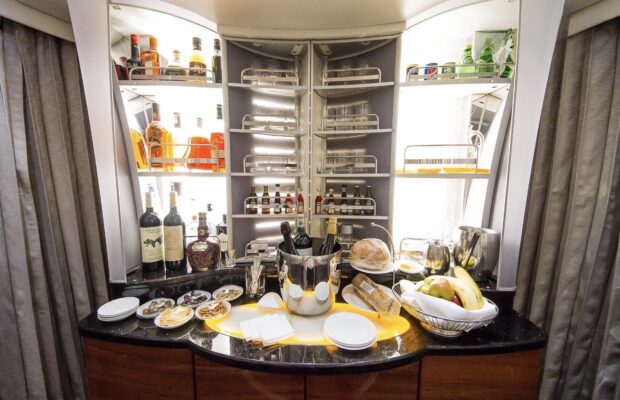
Deciding between first class, business class, and economy seating can significantly impact both your travel budget and your experience. Whether you’re planning a transcontinental flight or an international journey, understanding the differences between these cabin classes helps you make an informed decision about where your money goes—and whether premium seating is worth the investment.
Understanding the Three Main Cabin Classes
Before diving into specific benefits, let’s clarify what each cabin class represents:
Economy Class (also called Coach) is the standard seating option on commercial flights, offering basic transportation at the lowest price point.
Business Class provides enhanced comfort, service, and amenities designed primarily for business travelers on international routes, though increasingly available domestically.
First Class represents the highest tier of commercial air travel, offering the most luxurious experience with maximum space, privacy, and personalized service.
First Class vs Business Class: Key Differences
Many travelers assume first class and business class are interchangeable terms, but they offer distinct experiences, particularly on international flights.
Seating and Space
Business Class:

- Lie-flat seats on most international routes
- Seats typically 20-24 inches wide
- Direct aisle access in premium configurations
- Privacy dividers in newer aircraft
- 60-82 inches of pitch (legroom)
First Class:

- Fully enclosed suites on many international flights
- Seats often 24-30 inches wide or wider
- True beds with mattress pads and premium bedding
- Complete privacy with closing doors
- 80+ inches of pitch
- Some airlines offer double beds or separate seating/sleeping areas
Service and Dining
Business Class:
- Multi-course meals with china and glassware
- Premium wine and spirits selection
- Made-to-order options on many carriers
- Amenity kits with skincare essentials
- Priority boarding and deplaning
First Class:
First Class meals on United Airlines flights


- Dine-on-demand service (eat whenever you want)
- Michelin-level cuisine on premium carriers
- Extensive wine lists curated by sommeliers
- Caviar service on many international flights
- Designer amenity kits (Dior, Bulgari, etc.)
- Dedicated flight attendant ratios
- In some cases, onboard chefs
Ground Experience
Business Class:
- Access to business class lounges
- Priority check-in and security lanes
- Extra baggage allowance
- Priority baggage handling
First Class:
- Access to premium first class lounges (often superior to business lounges)
- Dedicated first class check-in areas
- Chauffeur service on some airlines (Emirates, Etihad, Lufthansa)
- Private terminal access on select carriers
- Even more generous baggage allowances
Technology and Entertainment
Business Class:
- Larger personal entertainment screens (15-18 inches typical)
- Premium headphones
- Enhanced entertainment libraries
- Power outlets and USB ports
- WiFi often included or discounted
First Class:
- Largest entertainment screens (up to 32 inches)
- Premium noise-canceling headphones
- Same or similar entertainment selection
- Multiple power options
- Complimentary WiFi on many carriers
- Some airlines offer personal tablets
Economy vs Business Class: The Dramatic Difference
The gap between economy and business class represents the most significant quality-of-life difference in air travel.
Seat Comfort
Economy:

- Seats typically 17-18 inches wide
- 30-32 inches of pitch (legroom) in standard economy
- Minimal recline (2-4 inches)
- Middle seats on most aircraft
- Upright sleeping position
Business Class:

- 50-100% more width
- 2-3x more legroom
- Lie-flat capability on long-haul flights
- Often direct aisle access
- Actual sleeping capability
This difference becomes exponentially more important on flights over 6-8 hours.
Food and Beverage
Economy:
- Complimentary snacks on domestic flights (often discontinued)
- Buy-on-board meals on many routes
- Limited complimentary beverages
- Basic wine/beer selection (sometimes available for purchase)
- Pre-packaged meals on international flights
Business Class:
- Restaurant-quality multi-course meals
- Complimentary premium alcohol
- Fresh, made-to-order options
- Special dietary accommodations handled with care
- Continuous beverage service
Baggage and Boarding
Economy:
- Typically 1 checked bag (often costs extra domestically)
- Board in later groups
- Standard baggage handling
- Limited overhead bin space competition
Business Class:
- 2-3 checked bags included
- Priority boarding (first after first class)
- Priority baggage delivery
- Guaranteed overhead bin space
The Arrival Difference
After a long-haul economy flight, you may arrive exhausted, stiff, and jet-lagged. Business class passengers typically arrive rested, refreshed, and ready to function—a crucial factor for business travelers with meetings upon landing.
Is First Class Worth It Over Business Class?
This question has no universal answer and depends on several factors:
When First Class Makes Sense
Ultra-long-haul flights (12+ hours): The extra space and privacy can significantly improve rest quality.
Special occasions: Honeymoons, milestone birthdays, or once-in-a-lifetime trips might justify the splurge.
Using points/miles: First class redemptions can offer better value when paying with miles rather than cash.
Significant wealth: If the price difference doesn’t impact your finances, the enhanced experience has value.
Airlines with exceptional first class products: Emirates, Singapore Airlines, Etihad, ANA, and Lufthansa offer first class experiences that truly differentiate from business class.
When Business Class Is the Sweet Spot
Most international flights: Modern business class on quality carriers provides 80-90% of the first class experience at 40-60% of the price.
Work productivity: Business class offers everything needed to work or rest effectively.
Corporate travel policies: Most companies cap reimbursement at business class.
Value optimization: Better use of money for most travelers’ priorities.
Award availability: More business class award seats available than first class.
The Price Reality: What You Actually Pay
Understanding pricing helps contextualize the value proposition.
Typical Price Multiples (International Long-Haul)
If economy costs $1,000:
- Premium economy: $1,500-$2,500 (1.5-2.5x economy)
- Business class: $3,000-$7,000 (3-7x economy)
- First class: $8,000-$15,000+ (8-15x economy)
Domestic U.S. Flights
If economy costs $300:
- First class: $600-$1,200 (2-4x economy)
Domestic first class offers more modest improvements—wider seats, complimentary food and drinks, priority boarding—but not lie-flat beds on most routes.
Is Premium Travel Worth the Money?
This deeply personal question depends on several factors:
Premium Travel Makes Sense When:
You can afford it without financial stress. Overspending on flights at the expense of experiences at your destination rarely makes sense.
Flight duration exceeds 6-8 hours. Short flights offer limited time to enjoy premium amenities. The comfort difference on a 14-hour flight to Asia is transformative.
You need to function upon arrival. Business travelers with immediate commitments benefit enormously from arriving rested.
You have mobility issues or health concerns. Extra space and lie-flat capabilities can be medically beneficial for some travelers.
You’re using points or miles. Redeeming accumulated rewards for premium cabins offers outsized value compared to cash prices.
The price difference is reasonable. Sometimes mistake fares, sales, or last-minute upgrades make premium cabins surprisingly affordable.
Stick with Economy When:
Budget is tight. Using that money for extra vacation days, better hotels, or experiences often provides more value.
Short flights under 4 hours. The premium experience barely unfolds before landing.
You sleep easily anywhere. If you can sleep sitting upright in economy, the premium cabin provides less relative value.
Your destination is the priority. Sometimes getting there is just transportation, and the journey itself isn’t the experience.
You’re building toward an upgrade. Saving money while accumulating points for future premium travel can be strategic.
Maximizing Value in Premium Cabins
If you decide premium travel is worth it, maximize your investment:
Book Strategically
- Use points and miles: Premium cabins offer the best redemption value
- Watch for sales: Airlines occasionally discount premium fares significantly
- Bid for upgrades: Many airlines offer paid upgrade bidding at check-in
- Book far in advance: Premium award seats disappear quickly
- Consider positioning flights: Sometimes flying from a different city offers better premium fares
Choose the Right Airlines
Not all business or first class products are equal:
Top-tier international business class:
- Qatar Airways Qsuite
- Singapore Airlines
- ANA
- Emirates
- JAL
- Cathay Pacific
Disappointing business class products:
- Older aircraft with angled-flat seats
- 2-4-2 configurations without direct aisle access
- Some U.S. carriers on older aircraft
Research your specific aircraft and configuration before booking.
Leverage Elite Status
Frequent flyer elite status provides:
- Complimentary upgrades (especially domestic)
- Better award seat availability
- Enhanced lounge access
- Additional baggage allowances
For regular travelers, building status can make premium travel more accessible.
The Hidden Benefits of Premium Travel
Beyond the obvious amenities, premium cabins offer underappreciated advantages:
Time savings: Priority check-in, security, and boarding save 30-60 minutes per flight.
Productivity: Lie-flat seats and quiet cabins enable actual work or rest.
Health benefits: Better sleep, more movement space, and superior air quality (sometimes) reduce jet lag and deep vein thrombosis risk.
Reduced stress: Avoiding economy’s cramped conditions and middle seats eliminates significant travel anxiety.
Networking opportunities: Business and first class attract business travelers, potentially leading to valuable connections.
Premium Economy: The Middle Ground

For travelers finding business class too expensive but economy too uncomfortable, premium economy offers a compromise:
- 5-7 inches more legroom than economy
- Wider seats (typically 18-19 inches)
- Better meals than economy
- Dedicated cabin section
- Usually 2x economy prices
Premium economy works well for budget-conscious travelers on long-haul flights who prioritize comfort over luxury.
Making Your Decision
Consider these questions when deciding between cabin classes:
- What’s your budget reality? Be honest about what you can afford without regret.
- How long is your flight? Duration dramatically affects value calculation.
- What’s your arrival situation? Do you need to function immediately or can you recover?
- How often do you fly? Regular travelers might build status for upgrades rather than paying for premium cabins.
- What are your priorities? Some travelers prefer economy flights and luxury hotels; others prioritize the flight experience.
- Can you use points? Award redemptions change the value equation entirely.
The Verdict: Is Premium Worth It?
For most travelers on most flights, here’s the realistic assessment:
Economy remains the practical choice for budget travelers and short flights. Modern economy isn’t luxurious, but it safely transports you to your destination.
Business class offers the best value proposition for international long-haul travel when you can afford it. The comfort, sleep quality, and arrival condition justify the premium for many travelers.
First class delivers diminishing returns over business class on most airlines. Unless money is no object, you’re using points, or you’re flying an airline with exceptional first class, business class typically offers better value.
Premium economy serves as a viable middle ground for cost-conscious travelers on very long flights where standard economy would be genuinely uncomfortable.
Ultimately, “worth it” is subjective. A first-class ticket that ruins your vacation budget isn’t worth it. A business class seat that lets you arrive at your destination rested and ready for an important meeting absolutely can be. The key is aligning your cabin choice with your financial reality, travel purpose, and personal priorities—understanding that the “best” choice varies for each journey.
The premium air travel experience can be genuinely wonderful, transformative even, but only when it fits within your broader travel and financial picture. Choose wisely, enjoy thoroughly, and remember that the destination awaits regardless of how you get there.