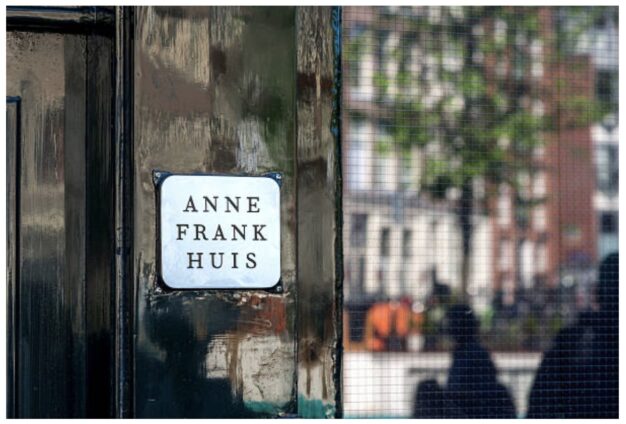
The Anne Frank House in Amsterdam stands as one of the world’s most powerful historical museums, offering visitors a profound journey into the life of Anne Frank and the harrowing reality of the Holocaust. Located along the picturesque Prinsengracht canal in Amsterdam’s historic center, this museum attracts over 1.3 million visitors annually who seek to understand Anne Frank’s story and honor her enduring legacy.

What Is the Anne Frank House?
The Anne Frank House Museum preserves the actual Secret Annex where Anne Frank, her family, and four other Jewish people hid from Nazi persecution for over two years during World War II. This Amsterdam museum offers an authentic glimpse into the cramped quarters where Anne wrote her famous diary between 1942 and 1944. Today, the Anne Frank House serves as both a memorial and an educational center, dedicated to promoting awareness about the dangers of antisemitism, racism, and discrimination.

The History of the Secret Annex
In July 1942, as Nazi occupation tightened its grip on the Netherlands, Otto Frank moved his family into the hidden rooms behind his business at Prinsengracht 263. The Secret Annex, accessed through a concealed bookcase doorway, became home to eight people in hiding: Anne Frank, her sister Margot, their parents Otto and Edith Frank, Hermann and Auguste van Pels with their son Peter, and Fritz Pfeffer. For 25 months, these Jewish refugees lived in constant fear of discovery, relying on trusted employees who risked their lives to provide food and supplies.

During this time, young Anne Frank documented her experiences, thoughts, and dreams in her now-iconic diary. Her writing transformed a teenage girl’s private journal into one of history’s most important eyewitness accounts of the Holocaust. Tragically, the Secret Annex was raided in August 1944, and its occupants were deported to concentration camps. Only Otto Frank survived, and he later published his daughter’s diary, ensuring Anne’s voice would echo through generations.

Planning Your Visit to the Anne Frank House
Visiting the Anne Frank House requires advance planning, as this popular Amsterdam attraction sells out weeks in advance. Here’s everything you need to know:
Location: The museum is situated at Prinsengracht 263-267 in Amsterdam’s city center, within walking distance of the Westerkerk church and Anne Frank statue. The Anne Frank House is easily accessible via Amsterdam’s public transportation, with the nearest tram stops at Westermarkt.

Tickets: Anne Frank House tickets must be purchased online through the official website. The museum operates on a timed-entry system to preserve the intimate experience and protect the historic building. Tickets are released approximately two months in advance and typically sell out within hours. A limited number of tickets are released daily at 9:00 AM for same-day visits, available only through the museum’s website or mobile app.
Opening Hours: The Anne Frank House is open daily, with extended hours during peak tourist season. The museum is closed only on Yom Kippur, reflecting its commitment to Jewish heritage and remembrance.

Accessibility: Due to the building’s historic nature and narrow staircases, the Secret Annex is not wheelchair accessible. However, the museum offers a detailed virtual reality tour for visitors unable to climb the steep stairs. Audio guides are available in multiple languages, providing comprehensive information about Anne Frank’s story and the Holocaust.
What to Expect During Your Visit
Your journey through the Anne Frank House begins in the front house, where Otto Frank’s business operated as a spice and pectin company. Exhibits feature photographs, documents, and video testimonies that provide context about Amsterdam during World War II and the Frank family’s life before going into hiding. You’ll learn about the Nazi occupation of the Netherlands and the escalating persecution of Jewish citizens that forced the Frank family underground.


The emotional highlight of any Anne Frank House visit is passing through the famous bookcase that concealed the entrance to the Secret Annex. As you climb the steep wooden stairs, you’ll enter the actual rooms where Anne Frank lived, wrote, and dreamed of freedom. The rooms remain largely unfurnished at Otto Frank’s request, allowing visitors to focus on the space itself and imagine the daily lives of the eight people in hiding.

Original artifacts on display include Anne’s red-checkered diary, family photographs, and pages from her manuscript. The museum also features quotes from Anne’s writing mounted on the walls, bringing her powerful words to life in the very spaces where she penned them. Videos and interactive displays explore themes of identity, discrimination, and human rights, connecting Anne Frank’s story to contemporary issues.

The Impact of Anne Frank’s Diary
Anne Frank’s diary, published in over 70 languages, has become one of the most widely read books in the world. Her honest, poignant observations about adolescence, hope, and human nature during unimaginable circumstances have touched millions of readers. The diary transforms statistics about the Holocaust into the intimate story of one remarkable young girl, making the tragedy deeply personal and unforgettable.
Otto Frank dedicated his life after the war to sharing his daughter’s message.The Anne Frank House, which opened as a museum in 1960, continues this mission by educating visitors about the Holocaust, combating prejudice, and promoting human rights worldwide. The museum’s educational programs reach thousands of students annually, ensuring that Anne’s story inspires new generations to stand against discrimination.
Tips for Visiting the Anne Frank House
Book tickets early through the official Anne Frank House website to secure your preferred time slot. Consider visiting during less crowded periods, such as weekday mornings or winter months, for a more reflective experience. Allow at least 90 minutes for your visit, though many guests spend longer absorbing the powerful exhibits.
Read Anne’s diary before your visit to deepen your connection to the space and better understand the significance of what you’re seeing. The museum shop sells various editions of the diary along with educational materials about the Holocaust and World War II. Photography is not permitted inside the museum out of respect for the solemnity of the site.
The Anne Frank House can be emotionally overwhelming, particularly for younger visitors. Parents should prepare children by discussing the Holocaust age-appropriately before the visit. The museum recommends the experience for children aged 10 and older, though younger children are welcome with parental guidance.
Other Anne Frank Sites in Amsterdam
Beyond the Secret Annex, Amsterdam offers several sites connected to Anne Frank’s story. The Anne Frank statue near Westerkerk provides a quiet spot for reflection. The Jewish Historical Museum and Portuguese Synagogue offer broader context about Amsterdam’s Jewish community before, during, and after World War II. The Resistance Museum chronicles Dutch resistance efforts during Nazi occupation, including the brave helpers who aided the Frank family.
Why the Anne Frank House Matters Today

In an era of rising antisemitism and intolerance worldwide, the Anne Frank House Museum serves as a crucial reminder of where hatred and prejudice can lead. Anne’s youthful optimism, captured in her famous words about believing in the goodness of people despite everything, challenges visitors to examine their own attitudes and actions. The museum doesn’t just preserve history—it actively works to prevent its repetition through education and advocacy.
The Anne Frank House stands as testimony to both the darkest capabilities of humanity and the resilience of the human spirit. By walking through the Secret Annex where Anne Frank lived and wrote, visitors connect with history in an immediate, visceral way that no textbook can replicate. This Amsterdam museum transforms tourism into pilgrimage, ensuring that Anne Frank’s legacy continues to inspire courage, compassion, and commitment to human dignity.
Plan Your Visit
Ready to visit the Anne Frank House? Book your tickets in advance at the official website: www.annefrank.org

The Anne Frank House Museum is located at Prinsengracht 263, 1016 GV Amsterdam, Netherlands.