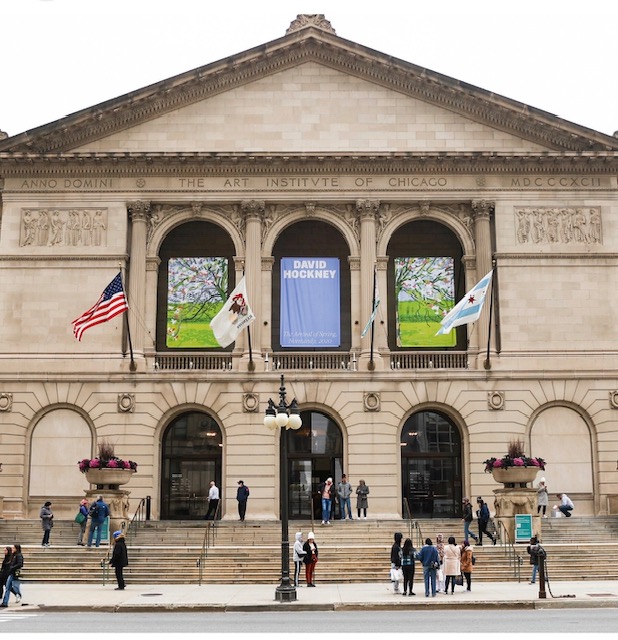
Where an Arts Aficionado could happily spend an entire morning or day and still not see everything they wanted to
I have spent over forty years as a professional immersed in the art world, from international art auction houses to high-end art galleries and fine art publications. Old habits have stayed with me. In fact they have become an integral part of me and my writing. I still read provenance labels before I admire the painting, linger over brushwork, composition and colors, and instinctively study how a gallery has been curated. I review artist biographies before and after my visits, to further familiarize myself with the stories and struggles behind the work. That’s exactly why a morning at the Art Institute of Chicago became one of the highlights of our trip for me.
A Museum and a School, Still
The Art Institute was founded in the late nineteenth century as both a museum and an art school, and that dual identity still shapes the place today. With more than 300,000 works spread across the original Beaux-Arts building and the light-filled Modern Wing added in 2009, it’s the second-largest art museum in the United States (second only to the Metropolitan Museum of Art in NYC) — and it holds the largest collection of Impressionist and Post-Impressionist paintings outside of Europe. For anyone with even a passing interest in that period, that alone is reason enough to clear an afternoon.


The Paintings Everyone Recognizes, in Person
There’s a particular thrill in standing in front of a painting you’ve seen reproduced a thousand times and realizing the reproductions never came close. Grant Wood’s American Gothic draws a steady crowd in the American galleries, and Edward Hopper’s Nighthawks rewards a long, quiet look at its diner-lit corner. Georges Seurat’s pointillist A Sunday on La Grande Jatte is worth circling slowly, close enough to see the individual dots dissolve into atmosphere. And the museum’s holdings of Claude Monet are extensive enough to fill a room on their own — reportedly the largest collection of his work outside Paris.
Matisse’s Jazz: Rhythm’s in Color
We were there in May for this extraordinary exhibit, marking the Art Institute’s debut of Matisse’s celebrated artist’s book Jazz. This exhibition places these revolutionary works in context with paintings, prints and sculptures from across the artist’s career, highlighting his never-ending exploration of color and line.


Beyond the Paintings
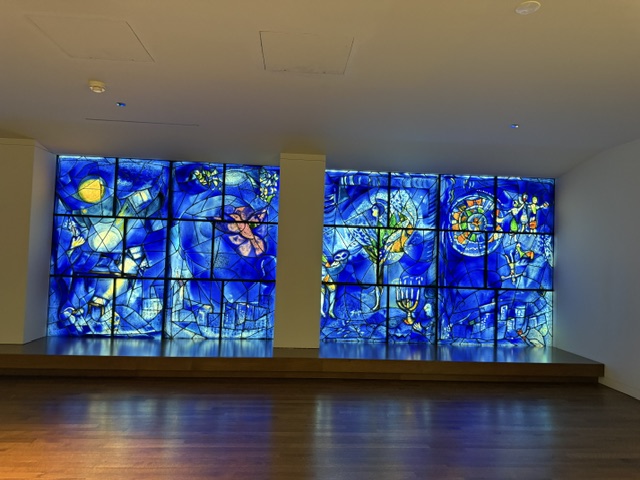
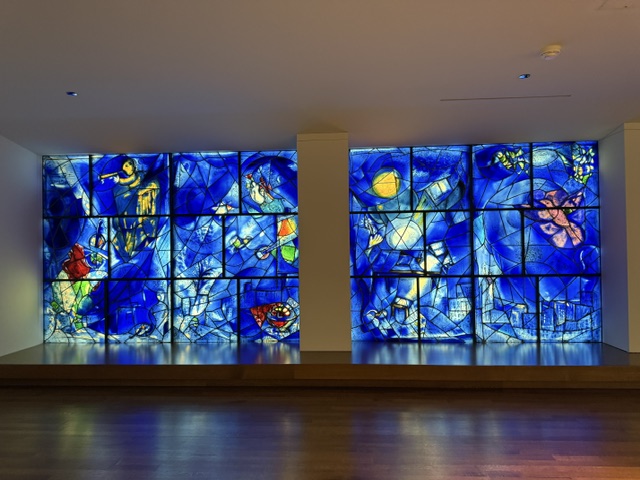
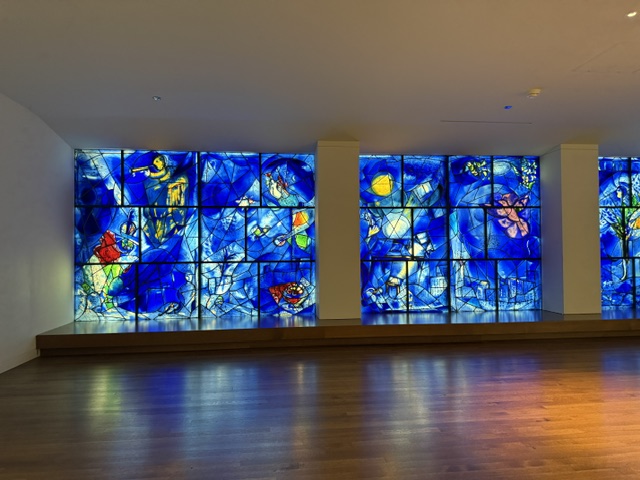
The collection rewards wandering well past the Impressionist galleries. The Thorne Miniature Rooms, tucked into the lower level, are sixty-eight meticulously detailed dioramas of European and American interiors built to a precise one-inch-to-a-foot scale — a little eccentric, thoroughly charming, and a favorite with anyone who appreciates fine craftsmanship at any scale. Marc Chagall’s stained-glass America Windows, created specifically for the museum, is one of the loveliest surprises in the building, and the Arts of the Americas and Asian art galleries offer centuries of material that most first-time visitors never make it to.
A Practiced Eye’s Take
What struck me most was the sheer depth of the collection relative to its presentation — nothing here feels overcrowded or under-explained. The free docent-led tours are genuinely worth building into a visit if your schedule allows; even a trained eye can pick up context one might not have caught wandering on their own. And for anyone who, like me, can’t resist a label with a strong provenance story, the curatorial notes throughout are unusually generous.


One thing I learned during my years in the art world is that provenance isn’t just a historical footnote—it tells the story of how a work of art has moved through time, who treasured it, and why it still matters today. The Art Institute’s labels invite visitors into those stories in a way that many museums simply don’t.
Why It Belongs on the List
Chicago’s dining and architecture earned plenty of attention on this trip, but the Art Institute was the one stop that reminded me why I fell in love with this world in the first place and why it never gets old. It’s an easy walk from Millennium Park, an easy pairing with a Riverwalk stroll, an easy walk to a good neighborhood lunch or dinner and an absolute must for anyone who wants to understand why this city takes its place in art history so seriously.
Lisa’s Take
Would I Recommend It? ★★★★★ Absolutely.
Best For: Art lovers, first-time Chicago visitors, architecture enthusiasts, and anyone who enjoys slowing down enough to really look.
Allow: At least three hours—longer if Impressionism is your passion.
Don’t Miss: Join one of the complimentary docent-led tours. Even with my background in the auction world, I came away with new insights.
Worth the Time?
Without question.
The Art Institute of Chicago isn’t a museum to race through in search of famous paintings. It’s a place that rewards curiosity and patience. Having spent most of my career in the art world, I found myself appreciating not only the masterpieces on the walls but also the thoughtful way the collection is presented. If you allow yourself the time to linger, you’ll leave with more than photographs—you’ll leave with a deeper appreciation for the artists, the collectors, and the stories behind the works themselves.
“The best museums don’t just teach us about art. They teach us how to see.”
For the rest of where we stayed, ate, and explored on this trip, look for the complete Chicago guide coming soon to The Insider’s Guide. In the meantime, stay tuned for the next post in my Chicago blog series!