Where the Art Institute leaves off, and the genuinely new begins
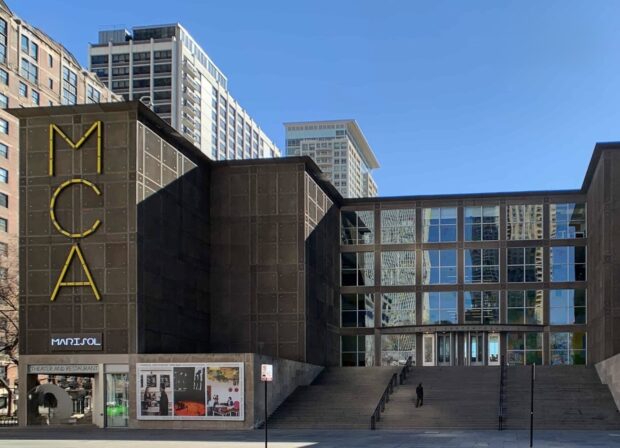
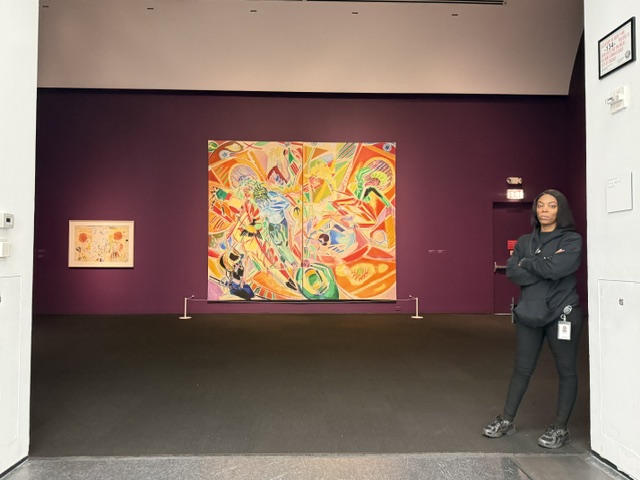
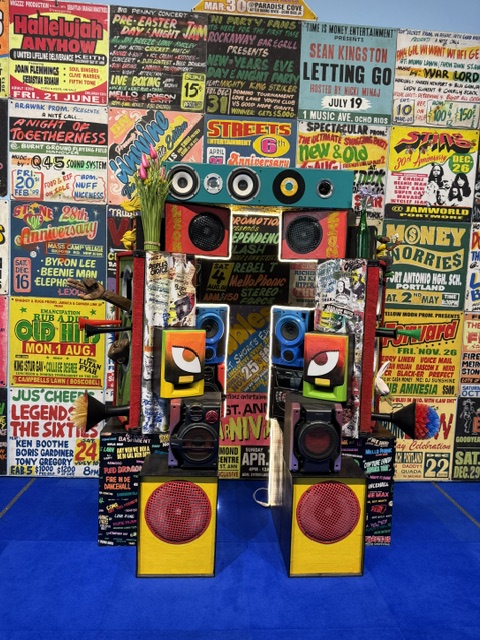
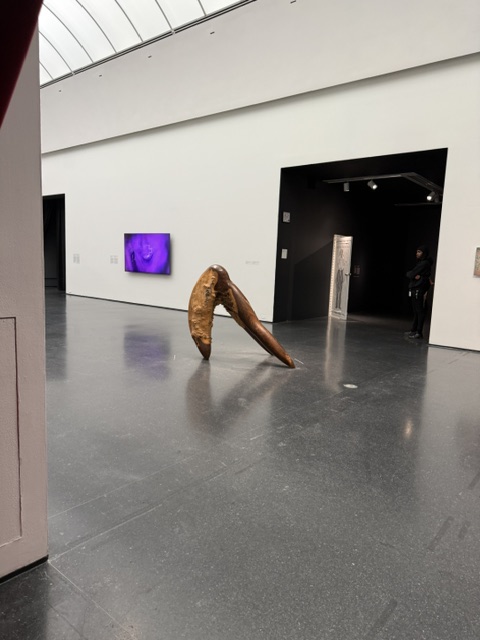
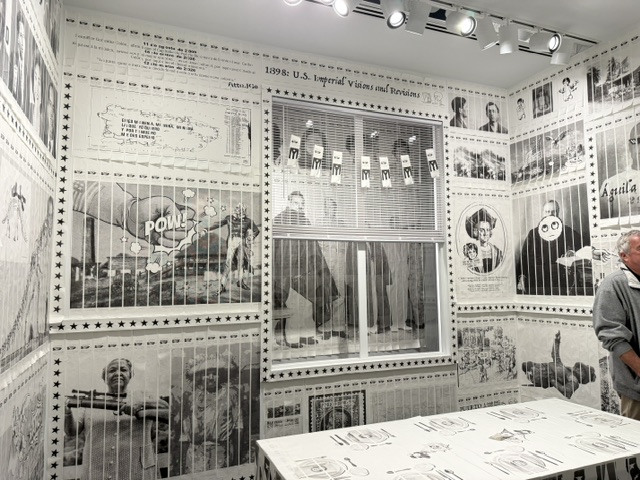
If the Art Institute is where we went to stand in front of paintings I’d already studied for years, the MCA was where we went to be surprised. Set on the Near North Side near Water Tower Place, the Museum of Contemporary Art Chicago picks up almost precisely where the Art Institute’s historical collection ends, devoting itself entirely to art made since 1945. With a background that has taken me through auction houses, galleries, art publications, art fairs and the representation of artists, I’m accustomed to looking at art through a certain historical and professional lens. The MCA asked me to loosen that lens a little.


Born From a Living Room Conversation
The museum’s origins are wonderfully informal for an institution that’s grown into one of the largest contemporary art venues in the world. In 1964, roughly thirty collectors, dealers, critics, and artists gathered at the home of critic Doris Lane Butler, united by a shared sense that Chicago, despite the Art Institute’s renown, still lacked a museum dedicated purely to new and experimental work. The group originally envisioned something closer to a European Kunsthalle — a noncollecting exhibition hall built to host rotating shows rather than accumulate a permanent collection. The Museum of Contemporary Art opened its doors at 237 East Ontario Street in October 1967, with founding president Joseph Randall Shapiro declaring its intention to showcase work that was new, controversial, and at times deliberately uncomfortable.
The permanent collection wasn’t formally established until 1974, following a pivotal 1968 donation from artist Marisol, and it grew quickly enough that the museum bought an adjacent townhouse for expansion just a decade after opening. In 1996, the institution moved into its current home on East Chicago Avenue, a grand, classically proportioned building designed by German architect Josef Paul Kleihues, whose restrained, almost neutral modernism was deliberately built to let the art itself take center stage rather than compete with the architecture.

A Collection Built on Risk
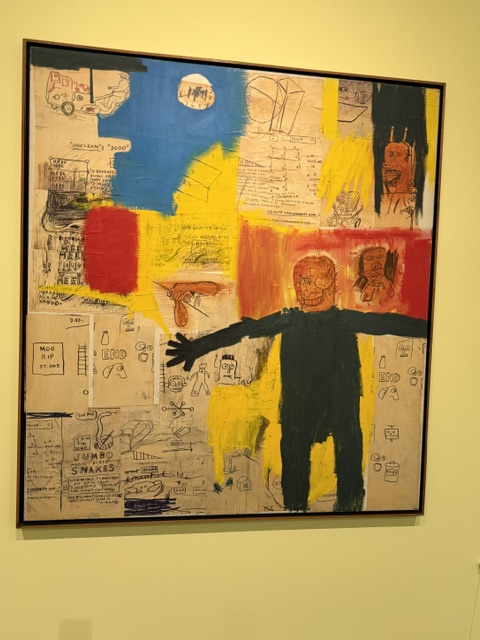
The permanent collection now numbers more than 2,500 works spanning the 1920s to the present, with holdings from Jasper Johns, Andy Warhol, Cindy Sherman, Kara Walker, Alexander Calder, and Gerhard Richter, among many others. What distinguishes the MCA from a more encyclopedic museum like the Art Institute isn’t size, but appetite: this is an institution that has consistently taken chances on work most audiences weren’t yet ready for. Its 1978 Frida Kahlo exhibition was her first solo museum show anywhere in the United States, and its 1988 Jeff Koons exhibition was similarly his first. A 1975 group show called Bodyworks included Chris Burden’s Doomed, in which the artist lay behind a pane of glass without food or a break for more than forty hours — the kind of work that simply doesn’t happen at most museums, let alone get celebrated decades later as a landmark moment.
Rotating, Rather Than Fixed
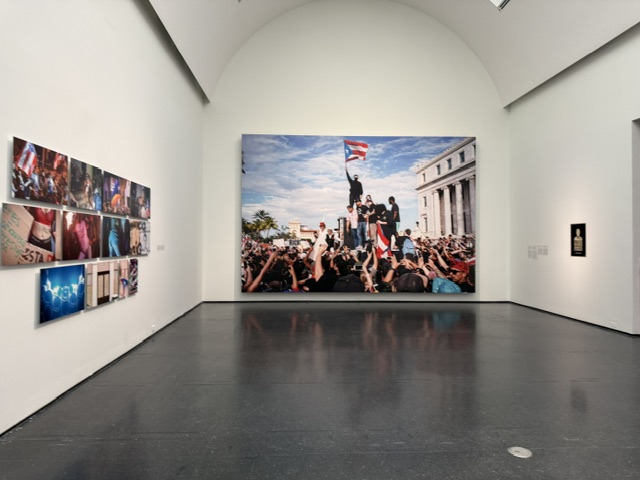
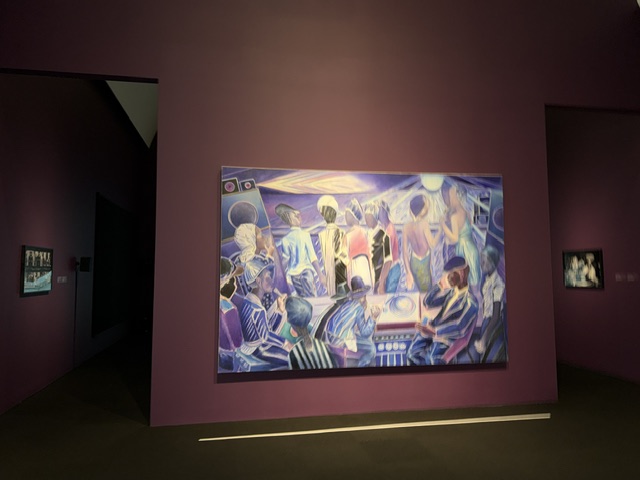
Because the collection is so large relative to the gallery space, very little of it stays on permanent view; instead, works rotate through a constantly shifting program of thematic shows. Since 2011, under Pritzker Director Madeleine Grynsztejn, the museum has organized its programming around several distinct series, including MCA DNA, which mines the institution’s own history and signature works, and Chicago Works, which is devoted entirely to artists based in the city. Since 2001, the related 12×12 series has spotlighted a different rising Chicago artist each month — a meaningful commitment to homegrown talent that a museum of this scale could easily skip in favor of bigger, more bankable international names.
Lisa’s Take
What I appreciated most about the MCA was that it didn’t allow me to rely too comfortably on what I already knew.
Much of my professional life in the art world has involved looking closely—at objects, artists, materials, provenance, context and the decisions behind a work. But contemporary art introduces a different kind of looking. Sometimes there isn’t enough distance yet for history to tell you what you’re supposed to think.
And I like that.
At the Art Institute, I can walk into a gallery and recognize the significance of a work before I’ve even reached the label. At the MCA, I found myself standing in front of things and asking a different question: What am I looking at—and what do I think about it?
After a lifetime in the art world, there’s something wonderfully refreshing about being reminded that the eye can still be surprised.
Why It Belongs on the List
Pairing the MCA with the Art Institute gave us something neither museum could provide alone: a conversation between the art we have already come to understand and the art that is still asking us to figure it out.
For me, that made the two visits unexpectedly complementary. One reminded me why I fell in love with the art world in the first place. The other reminded me that falling in love with art also means remaining curious about where it’s going next.
For the rest of where we stayed, ate, and explored on this trip, look for the complete Chicago guide coming soon to The Insider’s Guide. In the meantime, stay tuned for my next blog post in this Chicago series.